
Guide
Wet basement, what to do?
Haustrocknung.ch GmbH, based in the canton of Bern, has specialized in wet basements since 2010. In this guide, you will find out why cellars get damp and what you can do about it.
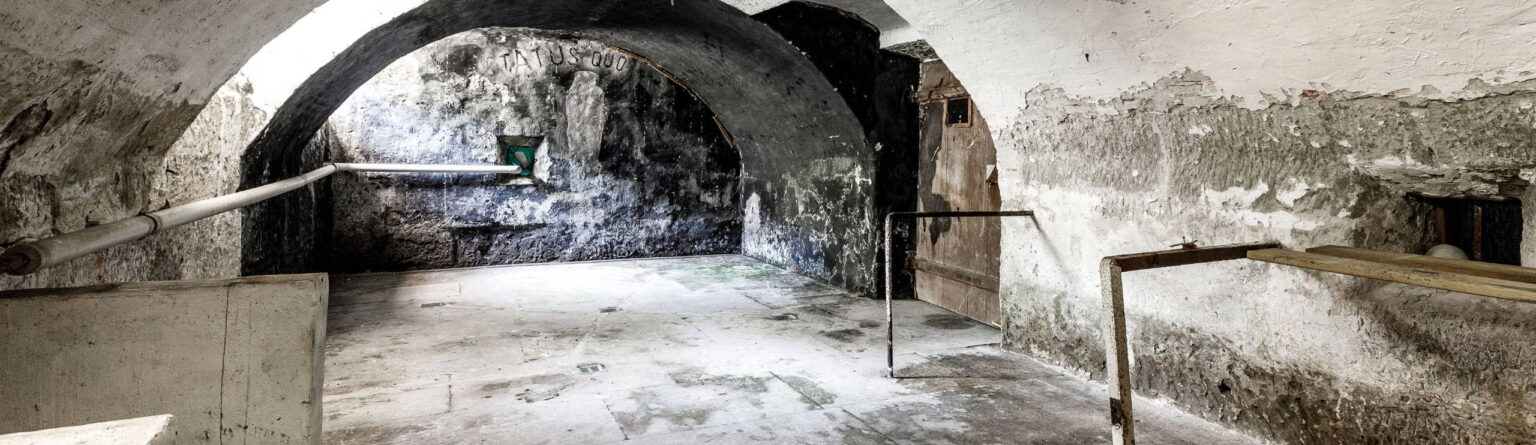
Causes and solutions for damp cellars
Core statements
- First have damp cellars inspected by building experts and only start remedial measures when it is clear why the cellar is damp.
- The use of building dryers can exacerbate the moisture problem and lead to damage to the building fabric.
- Electrophysical wall dehumidification can be installed cost-effectively and dries the building fabric right down to the cellar floor.
1. Why is the cellar damp?
The most common causes of damp cellars are capillary rising damp in the walls, condensation, faulty installations in the house and damage to the building envelope. Pressing damp, on the other hand, is rarely the problem. In most cases, several sources of moisture overlap.
For this reason, it is recommended, Building experts in order to identify the actual causes of moisture. We explain the individual causes in detail in the following sections.
2. How can wet basements be renovated?
To successfully renovate a damp cellar, the cause of the damp must be eliminated and the building fabric dried out: Condensation can be remedied with intelligent basement ventilation. In some cases, even targeted shock ventilation can be sufficient. If water penetrates the building fabric through cracks and holes in the building envelope, this damage must be repaired.
If moisture rises in the capillaries of the cellar wall, there is the option of a mechanical or electrophysical horizontal barrier.
In the case of a pressing source of moisture, the only thing that often helps is a large-area vertical barrier in combination with a ring drainage system that drains the water away from the house.
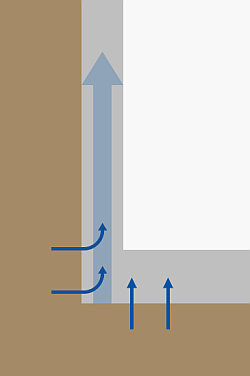
Rising damp
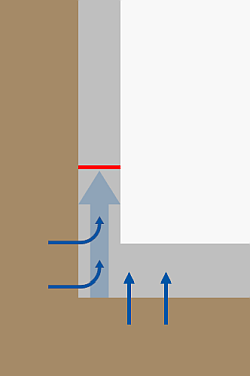
Principle of the horizontal barrier
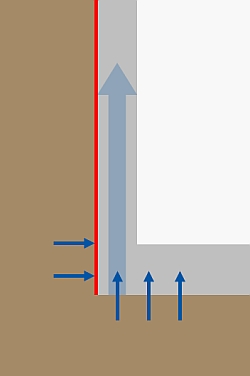
Principle of the vertical barrier
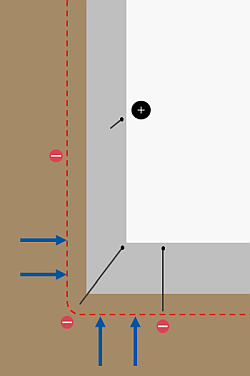
Electrophysical barrier
3. What are common mistakes in damp cellars?
Common mistakes in the renovation of damp cellars are inadequate analysis of the causes of damp or the prolonged use of building dryers.
The use of powerful building dryers can exacerbate the moisture problem in the event of penetrating moisture. This is because the moisture in the cellar wall is in equilibrium with the moisture in the surrounding soil. If more moisture evaporates on the inside of the cellar wall due to the building dryer, the wall draws in more moisture from the outside.
Together with the moisture, mineral salts enter the masonry. On the one hand, this salinization of the wall means that the wall can absorb even more moisture. On the other hand, the dissolved salts increase in volume as they dry. Over time, this leads to flaking and major damage on the inside of the wall.
4. How much does it cost to renovate a wet basement?
Electrophysical dehumidification with DRYMAT® costs around CHF 15,000 to 20,000 for a detached house with a floor area of 60 square meters. This estimate includes all stages of the job, from the analysis and installation to the follow-up measurement 18 months after installation. In addition, operating costs of around 50 francs are incurred per year. No maintenance work is required. You get a 10-year guarantee.
In comparison, the cost of draining the same property using a drainage system is closer to 45,000 to 60,000 francs. The costs for the earthworks are particularly significant.
Electrophysical drying with DRYMAT® is risk-free for people and the building fabric and does not interfere with the building statics. As the installation of DRYMAT® can be reversed, the process is compatible with the protection of historical monuments. The DRYMAT® system works according to scientifically recognized principles and is certified in accordance with ÖNORM B 3355-2.

5. Summary: What to do with a damp cellar?
First have damp cellars inspected by building experts to determine the causes of the damp. Only start with remedial measures once it is clear why the cellar is damp.
In many cases, rising damp in the capillaries of the cellar wall is the cause. In this case, electrophysical cellar dehumidification with DRYMAT® is a cost-effective solution with a certified guarantee of success. Compared to mechanical horizontal barriers, DRYMAT® has virtually no risk of consequential damage and comes with a 10-year guarantee.
If condensation is the cause of moisture, intelligent basement ventilation systems can help to minimize the risk of radon. In the case of a pressing source of moisture, the only thing that often helps is a large-area vertical barrier in combination with ring drainage that drains the water away from the building.

Contact us without obligation
Do you have any further questions or may we prepare an offer for you?
Get in touch with us without obligation. We look forward to your inquiry!
Get in touch with us without obligation. We look forward to your inquiry!
Tobias Bayer
Managing Director